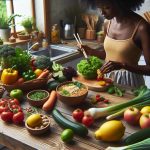

Passover is a time for tradition, reflection, and delicious food that unites us with our roots. But if you’re looking to honor the holiday with a twist, the Ultimate Vegan Gefilte Fish Recipe for a Plant-Based Passover is here to save the day! Whether you’re a lifelong vegan, curious about plant-based cooking, or simply want to introduce a fresh option at your family’s Seder, this recipe promises to deliver all the beloved flavors of gefilte fish without compromising your values. Join us as we explore how to create this flavorful dish that respects tradition while celebrating innovation.
The Tradition of Gefilte Fish Explained
Gefilte fish holds a special place at the holiday table during Passover, bringing comfort, tradition, and intrigue all at once. Imagine seated at a family gathering, a platter of these delicious, jelly-drenched fish balls making their grand entrance. Created from a mix of fish and matzo meal, gefilte fish has roots deeply embedded in Eastern European Jewish culinary culture. Oftentimes, it’s the dish that sparks conversations—“Is it fish, is it a meatball, or a little of both?” Trust me, it’s as much about the taste as it is about the memories and rituals it evokes.
A Dive into Tradition
The origins of gefilte fish date back to the Middle Ages, where the custom of preparing fish during Sabbath meals ensured the meal was both hearty and respected the laws of Kashrut (Jewish dietary laws). Traditionally, the fish would be poached, seasoned, and served in a savory broth. For many families, this recipe has been passed down through generations like a beloved heirloom. It might include tales of great-grandma’s secret spice blend that had Aunt Miriam swearing by it.
Why the Rounded Shape?
Not only is the round shape symbolic of the circle of life and the Earth, but it also makes it easy to portion out. This tradition has become a staple of Passover tables, regardless of the dietary choices of attendees. But in recent years, the discourse around gefilte fish has shifted, opening up questions about sustainability, ethics, and dietary preferences, which leads us to our delightful plant-based alternative for this year’s Passover.
Transforming Tradition
So, the million-dollar question: how do we turn a fishy favorite into a plant-based delight? While the classic version is cherished, there’s something rather revolutionary about reinventing culinary classics. The ultimate vegan gefilte fish recipe swaps out fish for an assortment of vegan-friendly ingredients—think chickpeas, carrots, and seaweed for that ocean-like flavor. By harnessing the essence of gefilte fish while adhering to a plant-based lifestyle, it bridges the gap between maintaining tradition and honoring modern dietary choices.
Here’s a quick look at some key ingredients you’ll want to stock up on for your vegan version:
| Ingredient | Purpose |
|---|---|
| Chickpeas | Main base for texture |
| Carrots | Add flavor and color |
| Seaweed (such as nori) | Brings a marine essence |
| Matzo meal | Classic binding agent |
| Spices ( dill, parsley) | Enhance flavor |
Tradition doesn’t have to be stuffy. Embrace this chance to experiment with your family recipe while incorporating healthy, eco-friendly ingredients. After all, Passover isn’t just about honoring the past; it’s also about evolving to meet today’s food culture and values, striking a perfect balance between nostalgia and modern-day sensibilities. Get ready to gorge on some scrumptious vegan gefilte fish and create new memories that will be told for generations to come!
Why Choose Vegan for Passover
Choosing a plant-based approach for Passover can shift your traditional Seder plate into a vibrant culinary experience, bursting with flavors and nutrients. Have you ever noticed how gefilte fish can divide a room faster than a debate about matzo ball density? Going vegan means sidestepping those fishy controversies while embracing creativity in the kitchen. Don’t let that classic dish weigh you down; instead, let it lift your spirits! Whether you’re a long-time vegan or just entertaining the idea, opting for a meat-free Passover can be as refreshing as a spring breeze through an open window.
Health Benefits and Nutritional Value
Going vegan during Passover can open the door to a treasure trove of health advantages. A diet rich in plant-based ingredients can help lower cholesterol, reduce the risk of chronic diseases, and keep your blood pressure in check. Think of it as giving your body the spring cleaning it deserves! Here’s a quick breakdown of the perks:
- Rich in Fiber: Plant-based foods are often high in fiber, promoting digestive health and keeping you feeling full longer.
- Loaded with Vitamins: Fruits and vegetables provide a plethora of vitamins and minerals—think of them as natural multivitamins!
- Lower in Saturated Fats: Vegan diets are generally lower in saturated fat, which can help maintain heart health.
- Reducing Environmental Impact: Embracing a vegan Passover can lessen your carbon footprint and promote sustainable living.
Culinary Creativity
Passover doesn’t have to mean bland meals. When choosing vegan, you’re free to unleash culinary creativity! How about trying something like chickpea gefilte fish or beetroot patties? Just imagine your Aunt Miriam’s face when you present a plate of colorful, visually-stunning bites that pack a flavor punch with none of the fishy aftertaste! And if you’re worried about missing that traditional flavor, fear not! Vegan substitutes can replicate the experience beautifully. A little seaweed, capers, and loading up on spices might just do the trick. It’s like transforming an old classic hit into a dynamic remix!
| Traditional Ingredients | Vegan Alternatives |
|---|---|
| Fish fillets | Chickpeas, lentils, or cauliflower |
| Egg | Ground flaxseed mixed with water |
| Breadcrumbs | Oats or crushed matzo |
Community and Tradition
Engaging in vegan Passover also opens the conversation surrounding tradition and community practices. Jewish dietary laws (kashrut) can be honored in creative ways that reflect a modern understanding of ethics and health. You might just inspire a few relatives to join you on this adventure! Plus, this newfound focus on compassionate eating can spark a conversation about sustainability, ethical farming, and how we can give back to the earth while honoring the traditions that mean so much to us.
So, here’s to shaking things up this Passover with a vegan twist! It’s all about being inclusive and innovative, allowing everyone to enjoy the holiday’s rich flavors while promoting wellness—both personal and environmental. Who knew your gefilte fish could be a conversation starter in more ways than one?
Key Ingredients for Vegan Gefilte Fish
Gefilte fish is often associated with traditional Ashkenazi Jewish cuisine, and transforming this classic dish into a vegan delight is an exciting challenge! To create a plant-based version that captures the essence of the original, we’ll be working with ingredients designed to bring forth flavors and textures that make your taste buds dance—no fishing required!
Core Components to Dive Into
To nail that signature taste and texture, here are the essential ingredients you’ll want to keep stocked in your pantry:
- Aquafaba: This magic bean water, a byproduct of cooking chickpeas, is what makes our mixture light and airy. It’s like the fairy godmother of the dish—transforming everything with an elegant wave!
- Chickpeas: The backbone of your gefilte fish, chickpeas provide a creamy base. You can use canned ones to save time or soak dried ones if you’re feeling adventurous (Just remember to plan ahead—you can’t rush greatness!).
- Carrots and Celery: For flavor, freshness, and that delightful crunch. These veggies give your vegan creation a nod toward traditional recipes, allowing it to shine bright like a Passover star.
- Seaweed: A sprinkle of nori or dulse will bring that ocean-like essence back into your dish. Consider this the friendly reminder that you might need an umbrella if you make a splash.
- Onion and Garlic: The dynamic duo of practically every savory dish! Not only do they add flavor depth, but they also offer a comforting aroma that envelops your kitchen like a warm hug.
- Spices: Don’t shy away from seasoning! Dill, salt, pepper, and a hint of sugar will coax out those familiar flavors that remind you of Grandma’s kitchen (just be sure to adjust to your taste—personal preference is key!).
Texture Makers and Bonus Flavor Boosters
Now that we have our foundations, let’s talk about some optional—but highly recommended—ingredients that can elevate your gefilte fish to the next level:
| Ingredient | Purpose |
|——————|—————————————————-|
| Nutritional Yeast | Adds a cheesy, umami taste without dairy. |
| Lemon Juice | Brightens up the flavors—think of it as the party planner! |
| Flaxseed Meal | Helps bind the mixture together, giving it stability—like a good friendship! |
| Capers | For those who enjoy a more briny flavor profile—these can add a little zing! |
When experimenting with these ingredients, remember that cooking is about playing. Taste as you go, and don’t be afraid to throw in your own twist (maybe some smoked paprika for that soulful Southern flair?). Be creative, have fun, and let those flavors mingle like old friends at a reunion.
By carefully selecting these key ingredients, you’re not just making food; you’re crafting a culinary experience that honors tradition while inviting everyone to join the plant-based feast. Whether you’re serving this up at a Seder or simply enjoying it at home, it’s bound to become a cherished recipe in your own kitchen lore!
Step-by-Step Guide to Making Vegan Gefilte Fish
Making vegan gefilte fish might sound like a culinary challenge worthy of a superhero, but trust me, it’s as easy as pie! Or should I say, as easy as slipping on a pair of your favorite stylish yet comfortable shoes? In just a few steps, you can whip up this traditional dish with a plant-based twist that’ll impress your family and delight your taste buds. The ingredients are familiar—think vegetables, spices, and a little creativity—and the process is totally simple. So let’s dive in and get cooking!
Gather Your Ingredients
First things first, you’ll want to gather all the ingredients that will transform your kitchen into a gefilte fish haven. Here’s a handy list to get you started:
- 2 medium zucchinis (for that subtle flavor and moisture)
- 1 cup grated carrots (they add color and sweetness)
- 1 cup chickpeas (this will stand in for the fishy texture)
- 1 cup matzo meal (for that classic binding)
- 1 tablespoon dried dill (because what’s gefilte fish without dill?)
- 1 teaspoon salt (to enhance the flavors)
- 1 tablespoon lemon juice (a splash of freshness)
- Vegetable broth (enough to cover the “fish” during cooking)
Got your apron on? Great! If you’ve ever swapped out a busy office lunch for a home-cooked meal, you’ll know how satisfying this process can be!
Prepare the Mixture
Now that you have your ingredients ready, let’s get down to the nitty-gritty of preparing your gefilte fish mix. Here’s how you can channel your inner chef:
- Finely chop the zucchinis and mix them with the grated carrots in a large bowl.
- Mash the chickpeas with a fork (or use a food processor for a smoother texture). You want them to create a solid base, rather like creating a blanket of cozy warmth around a chilly winter evening.
- Combine everything: Add your matzo meal, dried dill, salt, lemon juice, and the zucchini-carrot mix to the mashed chickpeas. Stir until all ingredients are mixed well. It should hold together but not be too wet. Think of the perfect play dough consistency—moldable but not soggy.
- Taste a little! Does it need more seasoning? A pinch more salt or a dash of dill can go a long way.
Shape and Cook
Now that your mixture is ready, it’s time to shape it into those iconic gefilte fish patties.
Take a scoop of your mixture, about the size of a golf ball (but let’s be real, if you’re feeling adventurous, go bigger). Roll it gently in your hands and then flatten it slightly. Lay them out on a parchment-lined baking sheet. You’re creating little vegan fish treasures that will be the stars of your Passover table!
Once shaped, you’ll want to simmer them. Here’s what to do:
| Step | Action |
|——|——–|
| 1 | In a large pot, bring vegetable broth to a gentle boil. |
| 2 | Add your shaped gefilte fish patties to the pot, making sure they are submerged. |
| 3 | Cover and simmer for about 30 minutes, flipping halfway through. |
As they cook, you’ll notice a delightful aroma filling your kitchen, promising deliciousness to come. It’s like walking into your favorite deli and being greeted by freshly baked challah—it just feels good!
Serve with Style
After your gefilte fish has cooked, carefully remove them with a slotted spoon and let them cool on a plate. Serve them warm or chilled with a side of homemade horseradish—a zesty addition that gives a pleasant kick, reminiscent of those lively family gatherings where the conversation flows as freely as the food!
Remember, vegan gefilte fish might not swim in the sea, but it sure will make waves at your next meal! As your guests savor every bite, you’ll be the hero of the dinner table, proving that tradition can indeed embrace a plant-based milieu. So grab your family, gather around, and enjoy the delightful results of your culinary adventure together!
Tips for Flavorful and Authentic Results
Creating a vegan version of gefilte fish that honors tradition while infusing a burst of flavor can be quite the culinary adventure! Getting the right taste and texture is essential, and a few handy tips can help you navigate this journey like a pro. Whether you’re channeling your inner Bubbe or just aiming for a delightful dish that’ll impress your vegan crew, these tricks will take your plant-based gefilte fish to the next level.
Use Fresh Ingredients
One of the most crucial elements in making your gefilte fish sing with flavor is using fresh, high-quality ingredients. When you grab those veggies, think farmers’ market vibes—crisp carrots, vibrant zucchini, and fresh herbs like dill and parsley can significantly alter the taste profile. Fresh ingredients are like the sunshine in your dish; they bring out the natural sweetness and create that umami-packed experience we’re all after.
- Quality Over Quantity: Rather than loading up on the fillers, focus on the vibrant produce that will truly shine in your recipe. Remember, it’s about creating depth in flavor with every bite.
- Don’t Skimp on Seasoning: A little salt and pepper goes a long way, but consider adding a touch of smoked paprika or even a splash of lemon juice for brightness!
Texture is Key
Ah, the texture—a seemingly small detail that can make or break your dish! Traditional gefilte fish has that lovely, firm yet tender feel, and achieving this with a vegan version involves some clever ingredient choices. Consider using a combination of grated vegetables and pulses, like chickpeas or lentils, to create a meatier bite.
Here’s a little cheat sheet to help you with your texture game:
| Ingredient | Texture Benefit |
|---|---|
| Grated Zucchini | Adds moisture without heaviness |
| Chickpeas | Provides a hearty bite |
| Ground Flaxseed | Binds ingredients together |
| Bob’s Red Mill Nutritional Yeast | Brings a cheesy depth to the flavor |
Mix and match these elements until you find your perfect balance. Remember, if your mixture feels too mushy, just add a bit more of a dry ingredient like breadcrumbs or ground nuts!
Add a Splash of Creativity
Don’t be afraid to shake things up—consider incorporating flavors from different cuisines to add a unique twist. Maybe toss in a splash of Miso for that umami flavor reminiscent of the sea, or a dash of curry powder for a pop of color and heat. Imagine a gefilte fish infused with a hint of ginger and served with a zesty mango chutney—sounds delightful, right?
Also, consider garnishing your dish with something unexpected, like a cucumber pickle salad or some homemade horseradish. The added textures and tangy flavors will elevate your vegan gefilte fish from humble fare to a gourmet experience that even your traditionalist relatives will rave about.
Applying these techniques will not only enhance the flavors but turn your cooking into an adventure full of surprises. Dive deep, explore, and don’t hesitate to try new things—but remember to keep it light-hearted and fun, just like any festive gathering should be!
Serving Suggestions for Your Vegan Dish
When it comes to enjoying your vegan gefilte fish, the joy doesn’t stop at just the recipe itself. Elevating your dish with the right accompaniments and serving style can truly turn your Passover meal into a memorable experience—one that even your most skeptical friends might rave about! Picture this: a beautifully adorned table, fragrant with the aroma of herbs and spices, where each bite of your gefilte fish pairs perfectly with delightful sides and garnishes.
Accompaniments That Shine
To take your plant-based gefilte fish to the next level, consider these crowd-pleasing pairings:
- Homemade Horseradish: Adding a zingy horseradish (even a beet-based one!) can elevate the flavor profile. It brings that traditional kick that you crave during the holidays.
- Pickled Vegetables: Think pickled carrots, cucumbers, or even radishes. They add that crunch and tanginess, making each bite a little celebration.
- Crispy Potato Latkes: A classic choice! Serve them warm and crispy alongside your gefilte fish for a hint of nostalgia. Who doesn’t remember those family gatherings filled with laughter and the smell of frying potatoes?
- Fresh Herbs: Garnishing with dill or parsley can surprise your guests and brighten up the dish visually. Plus, it’s like throwing a little confetti on your plate!
Stylish Presentation
Don’t underestimate the power of presentation! Using fun platters and bowls can make your vegan gefilte fish the star of the table. Here are a few tips to make your dish visually pop:
- Layer It Up: Place your gefilte fish on a bed of fresh greens, like arugula or spinach, for that restaurant-worthy effect.
- Color Contrast: Utilize colorful dishes—think vibrant blue for your compote or a bright red bowl for your beet horseradish. It’s like dressing your dish in high fashion!
- Add Texture: Sprinkle some toasted sesame seeds or walnuts on top for an unexpected crunch. This isn’t just for looks; it adds layers of flavor that keep everyone coming back for more!
Enhancing the Experience
Having the right drinks can also set the mood for your Passover dinner. Here are a few suggestions:
- Crisp White Wine: A chilled Sauvignon Blanc can provide a refreshing counterpoint to the flavors of the gefilte fish.
- Sparkling Water with Lemon: For a non-alcoholic option, consider serving sparkling water with a squeeze of lemon. It’s classy and keeps everyone feeling refreshed.
- Herbal Tea: After the meal, brewing a relaxing pot of herbal tea can aid digestion and give your guests a cozy way to wind down.
By being creative with your accompaniments and presentation, you can turn your vegan gefilte fish into a truly festive centerpiece that will impress both family and friends. So roll up your sleeves and enjoy the process; after all, cooking is just as much about the journey as it is the destination!
Faq
What is vegan gefilte fish, and how does it differ from traditional gefilte fish?
Vegan gefilte fish is a plant-based alternative to the traditional Jewish dish, gefilte fish, which is typically made from ground fish such as carp, pike, or whitefish. The primary difference lies in the absence of fish in the vegan version, replaced by various plant-based ingredients. Common alternatives include vegetables like zucchini, carrots, and onions, which not only emulate the texture of fish but also provide nutrients and flavor.
In creating the vegan version, you might also use ingredients like seaweed or nutritional yeast to bring in a marine flavor, mimicking the essence of the sea that fish bring to traditional gefilte fish. This makes the dish suitable for those following a vegan diet, as well as for individuals who may have dietary restrictions or allergies to fish. There are many recipes available that respect the traditions of Jewish cuisine while also embracing modern dietary needs, ensuring that everyone can participate in the Passover meal.
How can I enhance the flavor of vegan gefilte fish?
To elevate the flavor of vegan gefilte fish, consider incorporating a variety of herbs and spices. Classic additions such as dill, parsley, and lemon juice not only enhance the taste profile but also reflect the traditional flavoring of the dish. Umami-rich ingredients like miso paste or soy sauce can add depth, mimicking the savory notes typically found in fish.
Another approach is to experiment with different cooking methods. For instance, baking or steaming the vegan gefilte fish can result in a texture that feels more hearty and satisfying, while also allowing the flavors to develop more fully. Adding a touch of apple cider vinegar can provide a tangy contrast that balances the richness of the other ingredients, making each bite a delightful experience.
Can I prepare vegan gefilte fish in advance for Passover?
Yes, preparing vegan gefilte fish in advance is not only possible but also beneficial. Making the dish a day or two ahead of time allows the flavors to meld beautifully, enhancing its overall taste. After cooking, allow the gefilte fish to cool completely, then store it in an airtight container in the refrigerator. Many people find that the taste improves after a day, as this time allows the spices to integrate fully.
When you’re ready to serve, you can gently reheat the gefilte fish or present it cold. It pairs well with traditional sides like beet horseradish or a fresh cucumber salad, adding zest and brightness to the meal. Having this dish prepared in advance also reduces stress on Passover, giving you more time to focus on celebrating with friends and family.
What are some common vegan substitutes used in gefilte fish recipes?
Vegan gefilte fish recipes utilize a variety of creative substitutes to replace fish and other animal-derived ingredients. Some common plant-based ingredients include:
- Chickpeas or lentils: These legumes provide a hearty base while being high in protein and fiber.
- Zucchini and carrots: Shredded or finely chopped, they add moisture and a slight sweetness, reminiscent of traditional gefilte fish components.
- Nori sheets or seaweed flakes: These impart a marine flavor that helps mimic the taste of fish.
Additionally, for binding the ingredients together, many recipes call for flaxseed meal or chia seeds mixed with water, which creates a gel-like consistency ideal for holding everything together. Each substitute not only keeps the dish vegan but also ensures it’s brimming with nutrients, appealing to both taste and health-conscious eaters.
How do I serve vegan gefilte fish at a Passover seder?
Serving vegan gefilte fish at a Passover seder can be both traditional and innovative. Typically, it is enjoyed chilled or at room temperature, often accompanied by a side of horseradish, whether beet or white, to add a spicy kick that complements the dish. You might also consider garnishing the plated gefilte fish with fresh herbs or a sprinkle of paprika for a touch of color and added flavor.
Regarding presentation, using a beautiful platter can elevate the dining experience. Arrange the vegan gefilte fish in a visually appealing way, perhaps incorporating slices of lemon and accompanying sides such as a fresh salad or roasted vegetables. The addition of kosher for Passover dips like tahini or a chunky relish can also provide a flavorful contrast and a modern twist on the traditional dish. This thoughtful presentation not only respects Jewish culinary traditions but also highlights the versatility of plant-based eating.
Are there any health benefits to eating vegan gefilte fish over traditional gefilte fish?
Vegan gefilte fish can offer several health benefits compared to its traditional counterpart, primarily due to the focus on plant-based ingredients. For starters, it typically contains lower levels of unhealthy fats, as it does not have the fat content found in fish. Instead, it can be packed with vegetables and legumes, which are rich in vitamins, minerals, antioxidants, and dietary fiber, which can contribute to overall health and well-being.
Moreover, plant-based meals have been associated with numerous health benefits, including lower risks of chronic diseases such as heart disease, hypertension, and certain types of cancer. Studies have shown that diets rich in fruits and vegetables can support weight management and improve digestive health. By opting for vegan gefilte fish, individuals can enjoy a delicious and festive dish at Passover while aligning with a health-conscious lifestyle, making it a win-win for both traditional and modern eaters alike.
Concluding Remarks
As we wrap up this culinary journey with the “Ultimate Vegan Gefilte Fish Recipe for a Plant-Based Passover!”, it’s clear that tradition and innovation can coalesce beautifully on your seder plate. This plant-based twist not only seeks to capture the essence of gefilte fish but also embraces the spirit of Passover—celebrating heritage while honoring our commitment to a compassionate lifestyle.
With the statistics showing a steady rise in veganism, particularly during the holiday season, it’s wonderful to see recipes that cater to both dietary needs and cultural significance. Whether you’re a seasoned vegan or just curious about adding plant-based options to your table, this gefilte fish delivers a delightful burst of flavor without compromising any core values.
So, gather your ingredients, share a laugh with loved ones, and prepare to impress your guests with this delightful creation. After all, a little creativity in the kitchen can go a long way, and who knows, your vegan gefilte fish might just steal the show this Passover! Dive in, enjoy, and may your holiday be filled with joy and deliciousness!
Get our latest guides, news, and insights highlighted in your Google Search & AI Overviews.